Table Of Content

Any information you can provide about how quickly the hair loss occurred, along with any family history of baldness, will also be helpful. Your clinician might prescribe anti-inflammatory medications, like corticosteroids, if hair loss seems related to an autoimmune condition. Because so many things can cause hair loss, it’s best to schedule an appointment with a medical professional if you notice any changes in your hair. Telogen effluvium is a type of sudden hair loss that results from emotional or physical shock, like a traumatic event, period of extreme stress, or a serious illness. This usually happens because of radiation treatment or chemotherapy.
When to see a doctor about hair loss
Ingesting large amounts of warfarin, an ingredient in rat poison, can also lead to hair loss. Taking toxic amounts of vitamin A and selenium can also lead to hair loss. This is a procedure in which your doctor removes hair from a part of your scalp where hair growth is full and implants it into an area where hair is thinning.

What? Another medical form to fill out?
A 2018 review found that cells in the hair follicles of scalps with hair loss are extremely sensitive to oxidative stress. An older 2007 study found that caffeine blocked the effects of dihydrotestosterone (DHT) in male hair follicles. DHT is a hormone that’s linked to hair loss in people of all genders. People with alopecia areata may see regrowth after applying crude onion juice to their scalp twice per day. Ginseng contains certain phytochemicals that may promote hair growth on your scalp. But further research is needed to recommend specific dosages.
Hair loss risk factors
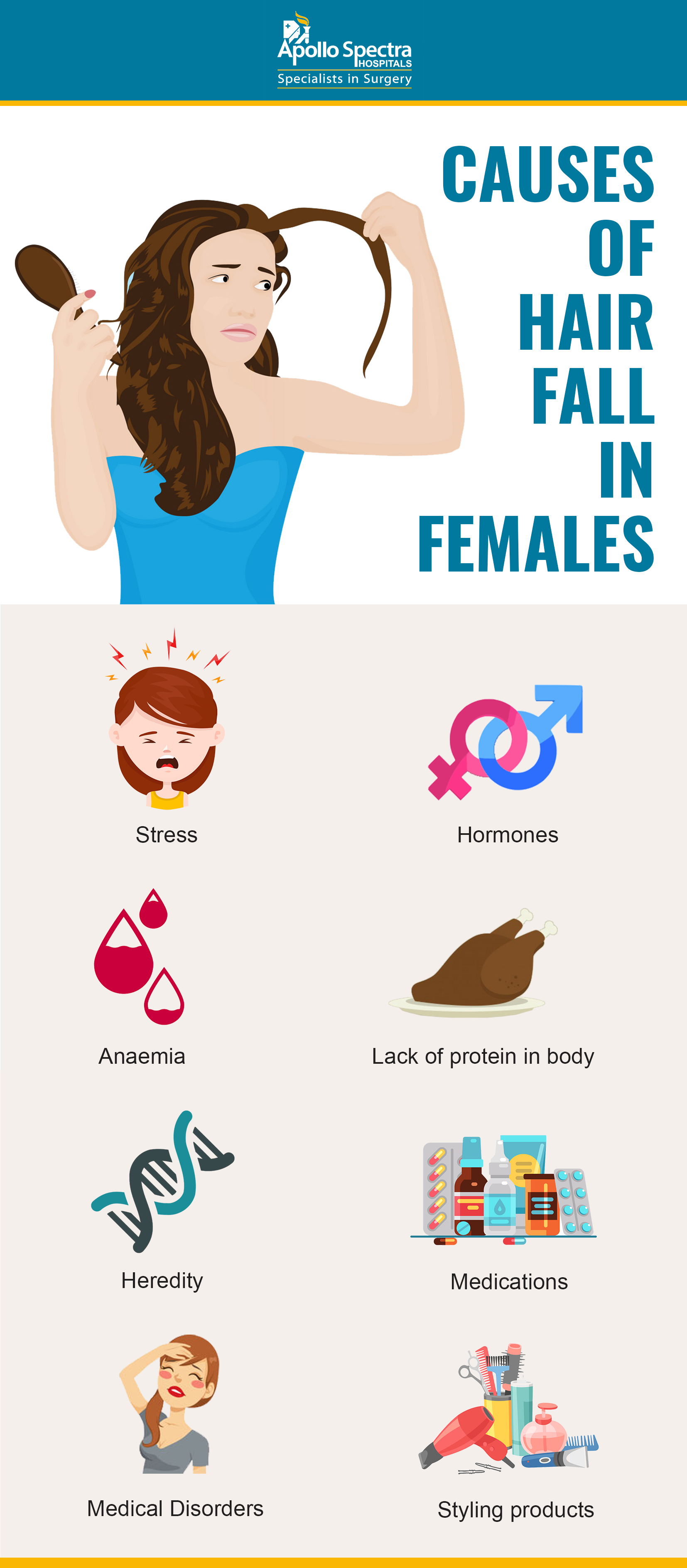
If you’re losing more than that, talk with a doctor to rule out any underlying medical conditions before exploring your options. Constantly pulling the hair into tight styles can lead to hair loss called traction alopecia. This is when tight braids or ponytails pull the hair out and damage the hair follicle. Continuously coloring, perming, chemically relaxing, or heat styling can also damage hair and lead to hair thinning or loss. People may also lose hair when clothing rubs against the skin, which is known as frictional alopecia.
But consult your doctor before you start to worry; thinning hair is often reversible, Dr. Simpson says. Advanced treatments are available for more serious hair loss. If you have a deficiency, your doctor may suggest multivitamins or supplements like iron and biotin. Don't take any supplement before checking with your doctor. They may interact with other medications or supplements you take.
Taking large amounts of vitamin A or selenium is also toxic and can cause hair loss. After treating the STI, hair often starts to regrow. When a man has hereditary hair loss, the first sign is often a receding hairline or bald spot at the top of his head. Other vitamins and minerals may also play a role in hair loss. People can speak with a healthcare professional to determine whether they have a vitamin deficiency that may be causing hair loss. Avoiding tight hairstyles will usually prevent further damage.
Minoxidil shortage creates issues for some dealing with alopecia, hair loss - NBC News
Minoxidil shortage creates issues for some dealing with alopecia, hair loss.
Posted: Mon, 30 Oct 2023 07:00:00 GMT [source]
You can prevent hair loss caused by chemical hair treatments by not using them. Nutritional deficiencies can cause hair to fall out. Extreme diets that are too low in protein or certain vitamins, such as iron, can sometimes cause excessive hair shedding. Most baldness is caused by genetics (male-pattern baldness and female-pattern baldness). Talk to your healthcare provider if an abnormal amount of your hair is falling out.
What are some tips for dealing with hair loss?
This usually isn't noticeable because new hair is growing in at the same time. Hair loss occurs when new hair doesn't replace the hair that has fallen out. Before pursuing hair loss treatment, talk with your doctor about the cause of your hair loss and treatment options. Losing clumps of hair can be particularly distressing. But there will always be an underlying reason, whether it’s a health condition, stress levels, or family genetics. You may also find that medications, like chemotherapy medications, retinoids, beta blockers, and antidepressants, can lead to hair loss.
Medical Professionals
You’re more likely to deal with this post-surgery symptom if your zinc levels are low, but it’s common to lose some locks after bariatric surgery. Your doctor may recommend a zinc and copper supplement to help halt your hair loss. Take another look at the side effects of the drugs you’re taking -- hair loss may be on the list. Someone poisoned with arsenic, thallium, mercury, boric acid, and lithium can lose hair as a side effect.
You can change how you care for your hair, which can prevent hair loss. Once you damage a hair follicle, hair cannot grow from that follicle. Having many damaged hair follicles creates permanent bald spots. Certain conditions, including anagen effluvium and alopecia areata, can cause hair to fall out suddenly.
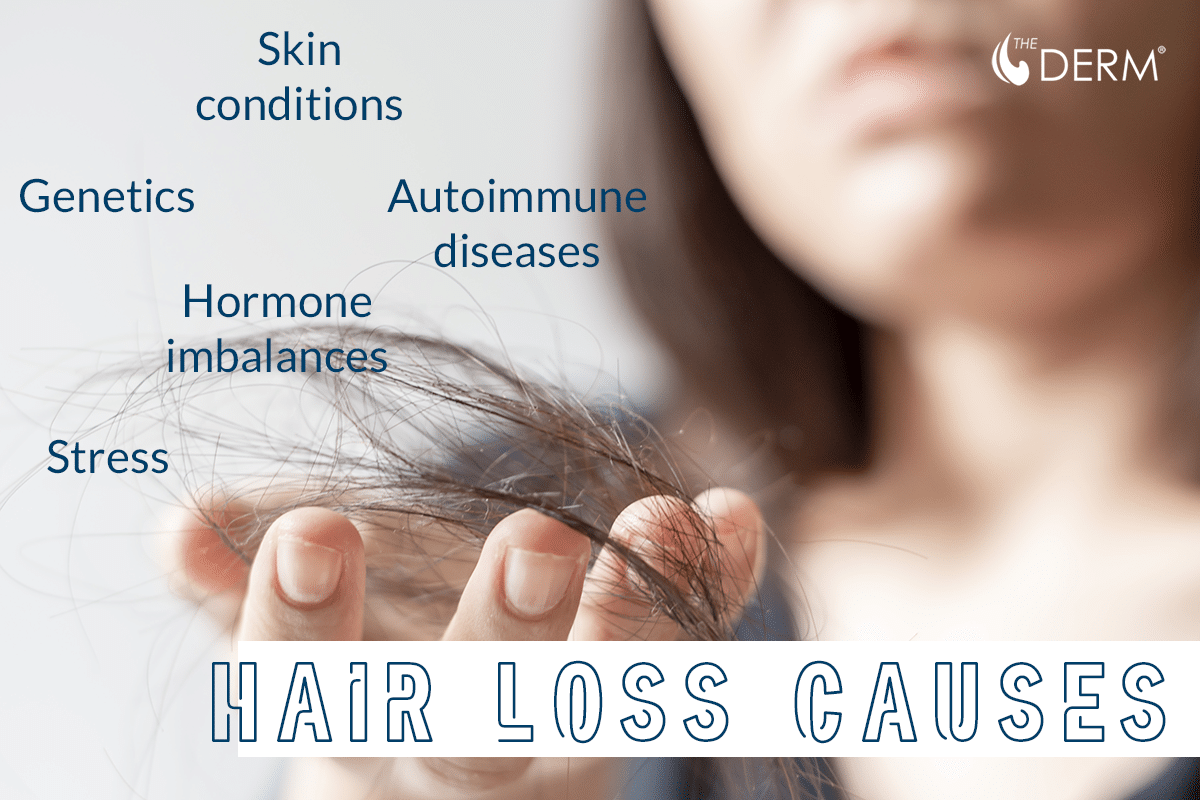
If you recently had an operation, high fever, or chemotherapy for cancer, it’s natural to shed lots of hair. A few months after giving birth, most women shed noticeable amounts of hair. One of the most common disorders that dermatologists diagnose and treat, the medical term for hair loss is alopecia. This April marks Stress Awareness month in the US, a calendar moment designed to raise awareness of the pervasive and damaging nature of stress. If you've been under a lot of pressure at work or at home, you might be able to blame your hair loss on stress.
You can lose hair during menopause as your estrogen and progesterone levels drop. Also, because hair follicles shrink during this time, your hair might be thinner, fall out easier, and grow more slowly. Because hair is constantly falling out and growing, hair loss often goes unnoticed. You're more likely to notice it when a lot of hair enters the resting phase at the same time or if hair roots become damaged during the growth process. Doctors sometimes prescribe other treatments off-label to reduce the incidence of hair loss in women. Women may experience hair loss during menopause due to reduced production of the hormones estrogen and progesterone.