Table Of Content
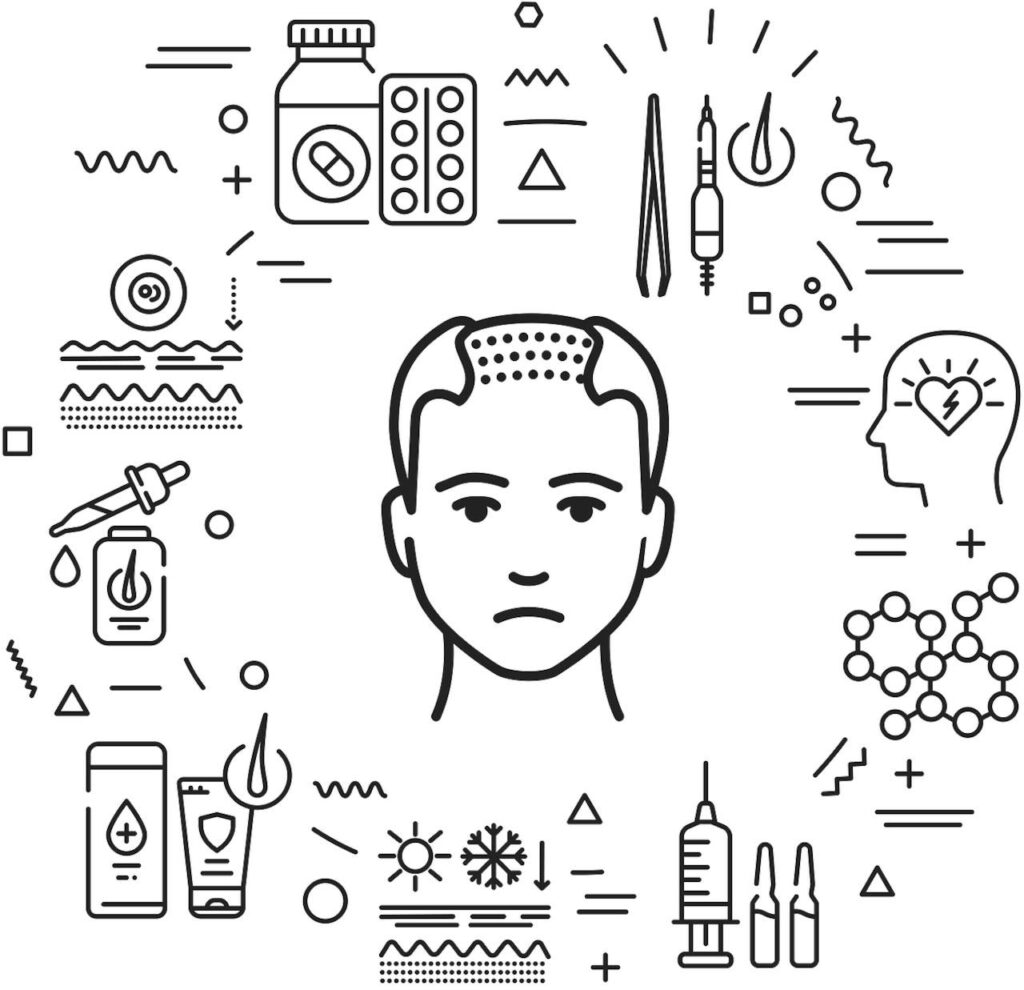
Have you suddenly noticed gobs of hair clogging your hairbrush and shower drain? Or maybe your once-lustrous locks are looking a little sparse. It’s enough to make you want to pull your hair out — if nature wasn’t already doing that for you. It is worth noting that this method is unlikely to benefit or help people with scarring alopecias.
Health Alerts from Harvard Medical School
A healthcare provider might recommend using minoxidil (Rogaine®). You can purchase the 2% or 5% solution over the counter (OTC). However, you have to follow directions exactly and use the product indefinitely. Don’t use this product if you’re pregnant, if you plan to get pregnant or if you’re breastfeeding (chestfeeding). Your shorter hairs — like eyelashes, arm and leg hair, and eyebrows —have a short anagen phase (about one month).
Telogen effluvium
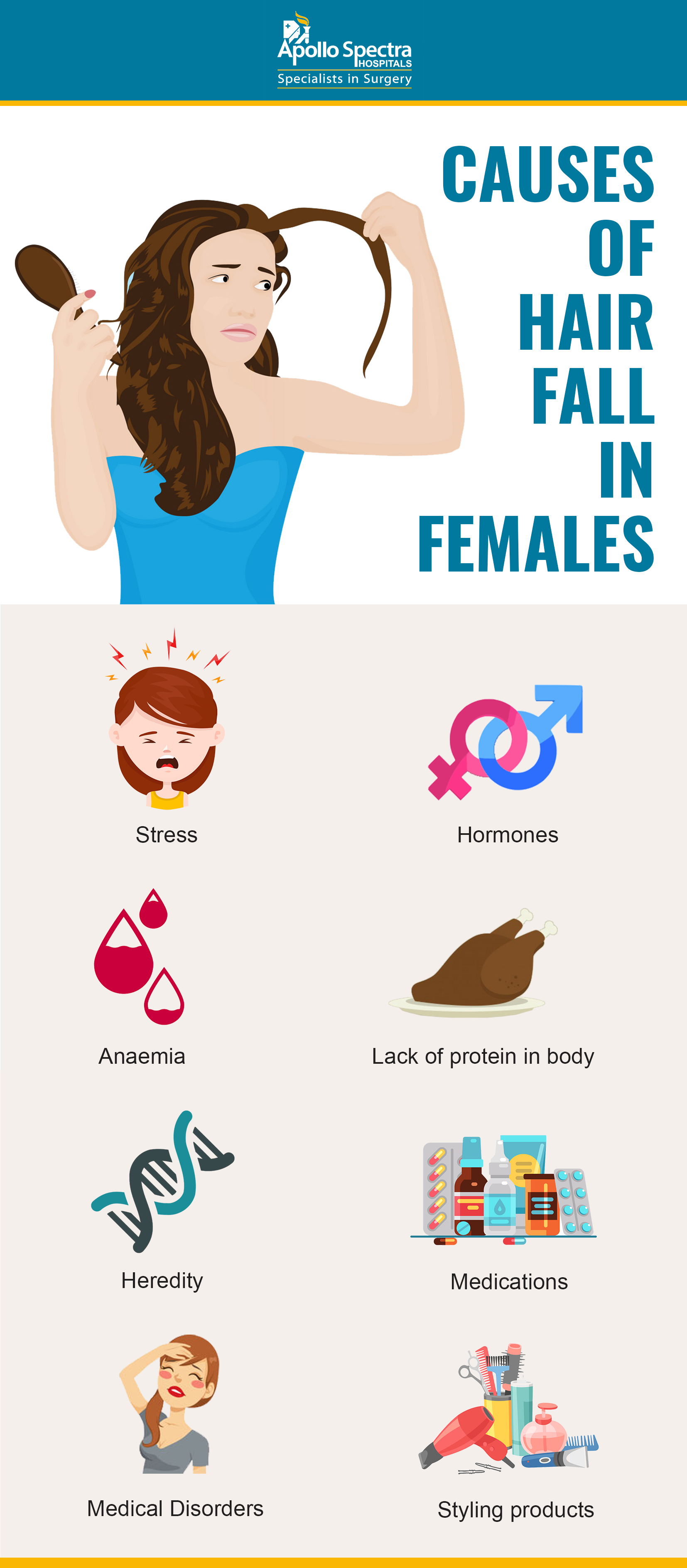
Hair follicles are made up mostly of a protein called keratin. They need to be treated by a team of mental health professionals, dietitians, and other medical specialists. Hormonal birth control like oral contraceptives, implants, injections, vaginal rings, and patches can trigger hair loss if you have a history of it in your family. Your doctor might be able to recommend a non-hormonal option that may help you keep more of your locks.
Check your symptoms
New Alopecia Areata Treatment Aims To Help Adults and Adolescents - Yale Medicine
New Alopecia Areata Treatment Aims To Help Adults and Adolescents.
Posted: Thu, 06 Jul 2023 07:00:00 GMT [source]
Other forms of birth control that affect the hormones, such as implants and skin patches, may also cause hair loss. The condition is more likely to occur as a person ages, but it can start at any point after puberty. Many females who experience androgenetic alopecia develop it after menopause.
Treating syphilis with antibiotics should stop any additional hair loss. When you see a doctor to see what's causing your hair loss, they’ll probably start with a physical exam and ask about your diet, family history, and medical history. They may ask whether any of your relatives have hair loss. Once the stress goes away, your hair may get back to normal in 6-9 months.
If you can, avoid heat styling tools such as curling or straightening irons, which may also damage or break the hair shaft. Hair loss is a symptom of more than 30 diseases, including polycystic ovary syndrome, ringworm on your scalp, thyroid disorders, and autoimmune diseases. You can also lose hair when you have the flu, a high fever, or an infection. When you’re pregnant, your hormones keep your hair from falling out as often as it normally does. After you give birth, you lose the extra hair you’ve been hanging onto as your hormones shift again.
Thyroid Issues
While it’s more prevalent in older adults, anyone can experience it, including children. If you’re not getting enough of one or more of these, you can have noticeable hair loss. A scalp infection can lead to scaly and sometimes inflamed areas on your scalp. You may see what look like small black dots on your scalp. If you often wear your hair tightly pulled back, the continual pulling can lead to permanent hair loss.
TE is typically reversible and often resolves 6–8 months after your body readjusts or the trigger is gone. You can sometimes identify TE by looking at the strand. The American Academy of Dermatology (AAD) estimates that we shed about 50 to 100 hairs each day.
Other medical conditions
Signs of hair loss and hair loss conditions vary between men, women and children. However, people of any age or sex may notice more hair collecting in their hairbrush or in the shower drain. If you notice hair loss, talk to your doctor as soon as you can. The FDA has approved a few laser treatment devices to treat hair loss at home. But we need more studies into their safety and effectiveness for long-term use.
“The longer the hair is gone, the harder it is to get back,” she says. Stopping hair loss indefinitely depends upon the underlying cause. As a general rule, the sooner you treat hair loss, the more likely you will be able to reverse or reduce the rate of hair loss. Hair loss is a complicated topic and the role of nutrition in preventing or treating hair loss can be somewhat controversial.
Skin conditions such as psoriasis and dermatitis can occur on the scalp and interfere with hair growth. Infections such as ringworm of the scalp and folliculitis can also cause hair loss. Physical and psychological stress can cause hair loss. Surgery, high fevers, and blood loss can cause enough stress to result in excessive shedding.
Male-pattern baldness typically appears first at the hairline or top of the head. Low levels of iron, zinc, and vitamins B12 and D have been linked to hair loss. All seemingly have a role in stimulating hair growth or helping with follicle health. Wherever it happens, excessive hair loss can be a troubling thing to deal with.
However, you may need to use the medication for as long as 12 months before you’ll see any results. It also has various side effects, including loss of libido and erectile dysfunction. “Give your doctor a full hair history — when the thinning began, where and how extensive the thinning is, and any relevant symptoms,” she says. Hormonal imbalances before, during and after menopause can lead to more permanent hair loss, Dr. Simpson says. Most people lose anywhere from 50 to 100 strands of hair each day, according to the American Academy of Dermatology. On days you wash your hair, you might lose up to 250 strands.


No comments:
Post a Comment